How to Play Poker in a Casino: Rules, Hands, and Strategies

To learn how to play poker in a casino setting, start by joining a live table. Understand the hand rankings, place bets, and aim to win the pot. A pot is won by having the strongest hand or by getting other players to fold.
This quick intro to poker for beginners focuses on Texas Hold’em. Players receive two cards, then combine them with five community cards. Strategy involves reading the table, managing chips, and observing betting patterns.
This casino poker guide provides a simple foundation for getting started. Poker is one of the most engaging casino games, appealing to players who enjoy skill and wise decision-making. The game’s pace and the potential for strong outcomes make it a popular choice at many tables.
What Is Poker and How Does It Work in a Casino Setting
Poker is a competitive card game where players bet based on the strength of their hands. Each player gets cards, and the goal is to win chips by forming the best hand or forcing others to fold. It mixes chance, skill, and reading your opponents.
In a casino, poker tables are run by a dealer and follow set rules. Players take turns betting in rounds, usually starting with forced bets called blinds. The action moves clockwise, and each player decides to call, raise, or fold.
Most casino rooms follow standard poker rules, especially for Texas Hold’em. You get two private cards, and five community cards are placed on the table. You use the best five-card combination to win the pot.
Poker tables typically offer a clear structure, consistent play, and fast-paced action. For players who enjoy strategy, this setup highlights decision-making and real-time interaction.
Poker Hand Rankings Explained
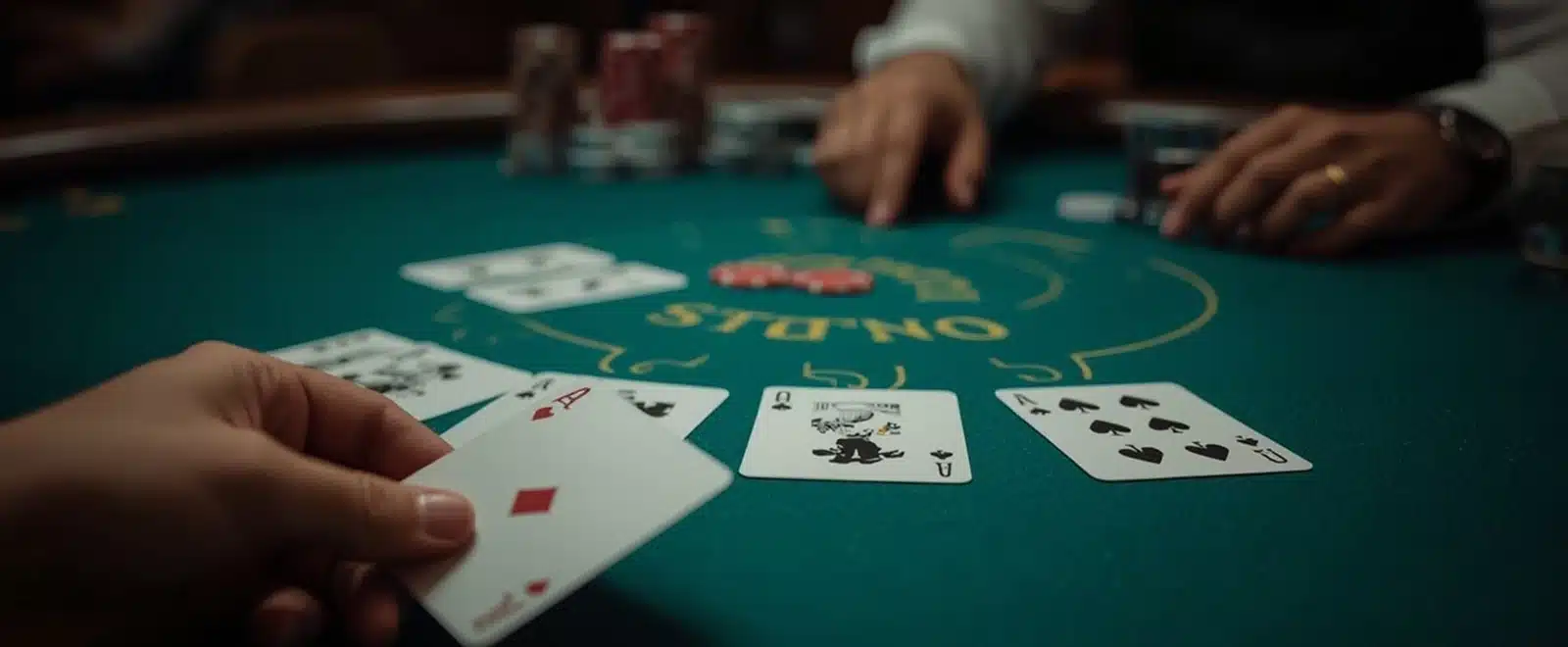
Understanding poker hand rankings increases confidence and supports stronger decisions at the table. These rankings influence every key move during a session.
Each hand follows a defined order, from royal flush down to high card. The goal is to compare the strongest available five-card combination to opponents. The best hand wins the pot.
These rankings help players spot value, identify pressure points, and choose profitable actions. Clear knowledge gives an edge. It speeds up table reading and makes each round smoother and more fun.
| Poker Hand | Example | Strength | Rank | Probability |
| Royal Flush | A K Q J 10 suited | Highest | 1 | 0.00015% |
| Straight Flush | 7 6 5 4 3 suited | Very Strong | 2 | 0.0014% |
| Four of a Kind | Q Q Q Q 5 | Strong | 3 | 0.024% |
| Full House | J J J 8 8 | Strong | 4 | 0.14% |
| Flush | K 10 7 4 3 suited | Good | 5 | 0.20% |
| Straight | 9 8 7 6 5 | Medium | 6 | 0.39% |
| Three of a Kind | 5 5 5 K 9 | Medium | 7 | 2.11% |
| Two Pair | K K 4 4 6 | Medium | 8 | 4.75% |
| One Pair | 10 10 8 5 3 | Basic | 9 | 42.26% |
| High Card | A 9 7 4 2 | Weak | 10 | 50.11% |
Step-by-Step Guide to Playing Poker at a Casino Table

Use this quick list to learn how to play poker in casino games the right way. It keeps things fast, sharp, and focused on winning.
- Showdown or Fold. The last remaining player or the player with the strongest hand wins the pot. Pots can vary quickly as strategies shift.
- Buy In. Take chips and choose an open seat. Minimum buy-ins are posted at the table. Ask the dealer if anything is unclear.
- Know the Positions. Poker table positions shape every hand. The early position acts first and has less information. Late position provides more control.
- Understand the Blinds. The two players left of the dealer post the small and big blinds. These start the betting. The dealer button rotates clockwise after each hand.
- Get Your Cards. Each player receives two cards face down. These are private hole cards. Keep them hidden.
- Start Betting. Betting occurs in rounds: pre-flop, flop, turn, and river. Players check, call, raise or fold depending on hand strength.
- Use Community Cards. Five shared cards appear during the hand. Combine them with hole cards to create the best five-card hand.
Core Poker Strategies for Beginners
Start strong with the proper habits. These poker tips and strategies help you avoid common mistakes and build a solid base.
- Play Tight, Not Wild. Only enter pots with strong hands. Fold often and stay patient. Don’t feel pressured to play every round.
- Know Your Position. Late position lets you act last. That gives you more info and better control. An early position is riskier.
- Study Poker Hand Rankings. Memorize the order of hands. Never confuse a straight with a flush. This saves you chips and helps with fast decisions.
- Pay Attention to the Table. Watch how others bet and look for patterns. This gives clues without showing your own hand.
- Manage Your Stack. Don’t go all-in without a plan. Keep enough chips to stay in the game.
Reading Opponents and Managing Emotions

Poker is a mental game as much as it is about cards and chips. Knowing how to read opponents and keep your cool can swing a session in your favor.
- Watch How Players Bet. A player who folds most hands is usually waiting for strong cards. Someone who bets aggressively across rounds may be bluffing or playing a wide range.
- Notice Physical Behavior. Shaky hands, deep breaths, or staring too long at chips can all mean something. These small details often say more than words.
- Stay Emotionally Steady. Avoid showing frustration after a loss or excitement after a win. Strong emotions can affect your judgment and make you more vulnerable to exploitation.
- Don’t Go on Tilt. Losing a big hand can trigger bad decisions. Take a short break or reset your mindset before diving back in.
- Let Others Talk First. Silence is a strong tool at the table. Many players reveal their thoughts through small talk or offhand comments. Listening carefully gives you extra reads without risking your own position.
Common Poker Mistakes and How to Avoid Them
Losing at poker isn’t always about bad luck. Most mistakes come from habits you can fix. Here’s how to avoid them and keep your edge sharp.
- Playing Every Hand. Many beginners think more hands mean more chances. That’s not true. Waiting for stronger hands leads to better outcomes.
- Ignoring Position. Poker table positions matter more than most realize. Playing early without good cards is risky. Use a late position to apply pressure and gather information.
- Overvaluing Weak Hands. The top pair with a weak kicker often looks better than it is. Don’t chase hands that rarely win. Fold early and save your stack.
- Letting Emotions Lead. Losing control after a bad beat is common. Stay calm, take a break, and return with focus. Letting emotions guide decisions ends games fast.
- Neglecting Bankroll Limits. Going all-in too often drains your chips. Set limits before you sit. Stick to them no matter what.
Switching between poker and lighter games can help reset the mind during longer sessions. Many players use Aviator game apps for quick breaks between tables. The Aviator sign up bonus can support steady balance management while taking time to refocus.
FAQ
What is the main goal in poker?
The goal is to win chips or money by either showing the best hand or making others fold. You don’t need the strongest cards every time. Playing smart and reading your opponents is key.
What are the strongest poker hands?
A royal flush is the highest hand. After that come straight flush, four of a kind, full house, flush, and straight. Learn the order so you can act fast during a hand.
How many cards are dealt in Texas Hold’em?
Each player gets two private cards. Five community cards are placed face-up in stages. You use any five of the seven to make your best hand.
What is a “bluff,” and when should you use it?
A bluff is a bet made with a weak hand to pressure others into folding. Use it when the timing and table feel right. Don’t bluff too often, or you lose power.
Can poker be won by skill rather than luck?
Yes. Luck matters in the short term, but skill wins over time. Players who study, manage risk, and read others stay ahead.
What’s the difference between poker cash games and tournaments?
Cash games let you buy in, play, and leave at any time. Chips have real money value. Tournaments have fixed entry, and players compete until one wins all the chips.

